Editor’s Note: Kevin recently spoke with Cait DesRoches, who was named Principal Investigator for the Society of Participatory Medicine’s signature project, CHAMP, the Collaborative Health Care Action Measurement Platform. This is Part 2 of that interview. Part 1 can be found here: https://wp.me/p8S1TQ-61B. 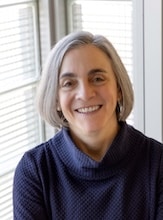
Kevin: So that’s the good side, the benefits. What are the big challenges to developing an instrument like we envision in CHAMP?
Cait: Survey work is tricky. How you ask questions, the order in which the questions are asked, all of those things make a difference in the answers that you get. So, the first challenge is just making sure that we do a really thorough job in understanding how our primary targets for the survey, right now that’s patients, talk about and conceive of the idea of participatory medicine. If we get that wrong, then it’s very easy to create a survey that doesn’t actually measure the thing that we want to measure. So that’s our first challenge is doing a lot of due diligence around how people talk about this. Do they understand the questions that we’re asking in the way that we understand them?
Often there’s a disconnect between how a researcher or a group that lives and breathes this stuff understands something and how someone who is new to the idea or frankly has never even thought of it, how they understand it. So, we need to be really careful to make sure that what we’re doing really reflects the thing we want to capture.
Kevin: Yeah, there’s a wide range of people that we’re reaching out to here. And the differences in how they see healthcare are based on what they’ve experienced and lots of other factors as well.
What are the steps over the next six to 12 months we’re going to need to take to move this project forward?
Cait: First, we’re going to start with some in-depth interviews that we’ll do with community members and stakeholders to understand what they think about this measurement platform. How do they talk about it? What words do they use?
From there, we’ll start to draft a draft survey. That’ll go through a lot of revision with the Society for Participatory Medicine (SPM) research subgroup.
Then we will do a process called cognitive testing. And there you recruit people to take the survey and then you ask them to think aloud as they’re taking it. There you’re surfacing misunderstandings or where you, the researcher, got something wrong, or your respondents think about something in a completely different way, or your survey question doesn’t make sense, or it’s impossible to answer.
And you do a bunch of those interviews and then you revise and you do more of those interviews. At some point, we’ll also have to ask our human subjects committee to review our project and make sure that we’re adhering to the sound principles of human subject research. Then when we finally get through all of that, we’ll pre-test it.
We’ll make sure that it works technically. Surveys often have branching logic or skip logic, where if you answer a question a certain way, then you go to one set of questions. If you answer it the other way, you go to another set of questions. So we will be hammering the survey with as many people as we can get to practice with it and make sure that everything is working.
Once everything is working, then and only then will we go to actually fielding it with real live people, people who have never heard of the idea of participatory medicine. And we’ll go out into the world and we’ll field the survey.
And then once we’ve finished that piece, we’ll do a lot of analysis to make sure that our questions really measure what we think they’re measuring, that they hang together in the way that we think that they should, that we can feel confident in the results and then it’s ready to go out into the world.
So that whole process will take at least take six to 12 months.
Kevin: That’s a ton of work. How are you feeling about getting started on that big project? Because I know we’re excited.
Cait: I’m excited. I cut my research teeth on survey development. So, I love surveys. I love doing this kind of work. To me, it kind of scratches the itch of both serious attention to detail and really getting to understand how people think about things. Both of those things, I just love doing.
I love doing survey work, so I’m very excited to get started.
Kevin So let me give you your own open mic here. Is there something I didn’t ask you about that you want to make sure everybody knows?
Cait: The one thing I would want to be sure that everyone knows is that this idea of measuring participatory medicine is really new. When OpenNotes first started, I was not the director. I was in another research group across town and watching what they were doing and thinking, “They are nuts. There is no way this is ever going to happen. They’re never going to get clinicians to share their notes with patients.” It went from that idea people thought was crazy to now it’s just way things are done. It’s a federal regulation.
I think that the idea of participatory medicine is still in the stage where we have to explain what it is. How it is just different from patient engagement or shared decision making. We’re at that early stage and that kind of work is very exciting. So, I’m just, I’m just thrilled to get started.
Kevin: I love the way you framed that. It’s like something crazy happened, and we’re going to step into the crazy path again and see if we can make something new happen.
I just want to thank you very much for your time this morning, and for joining the cause. We’re really looking forward to it.
Cait: Thank you, I’m looking forward to getting started.
If you’d also like to get started and want to know more, or help with CHAMP development, send an inquiry to champ@participatory.org.
This is such a grounded and important conversation.
What stands out most is the discipline behind truly listening before measuring. The care in making sure language reflects how people actually understand and experience participatory medicine feels essential, not optional.
The work underway through the Society of Participatory Medicine is especially meaningful in that regard. It reflects a commitment to building something that does not start with assumptions, but with lived experience. CHAMP is not just a measurement effort, it is an effort to hold space for what patients actually see, feel, and navigate in care.
That is where the patient voice becomes central, not symbolic. When we truly listen first, we avoid building systems that miss the mark. We also honor something deeper: that patients are not data points in care, they are co-creators in it. Their language, their meaning, and their reality must shape what we ultimately measure.
The rigor of interviews, cognitive testing, revision cycles, and then only moving into fielding reflects a respect for both the science and the human experience behind it. That kind of patience is where meaningful measurement lives.
I also appreciate the honesty about where we are in the journey. Participatory medicine still requires explanation and translation for many, and that early stage work matters deeply if we want something that truly serves people.
Grateful for the thoughtfulness, humility, and purpose driving this work, and excited to see it continue to unfold.